

First, we showed you how CBS News is working from home. Turning living rooms and any available space into home studios. You’ve seen how our anchors do it and learned how they’re dealing with some new challenges. We thought you would appreciate some behind-the-scenes notes and tips with our correspondents here at Newspath.
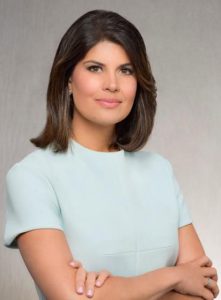 Correspondent Spotlight: Natalie Brand
Natalie Brand is a DC-based correspondent for CBS Newspath. What makes Natalie’s day to day different from some of our other anchors and correspondents is that she doesn’t report from a home studio, she’s still reporting remotely from the White House. We caught up with Natalie and asked her a few things about her “new normal”.
What have your days been like lately?
The Newspath DC correspondents are focused on the federal response to the Coronavirus, working a split shift, so we can maintain social distancing at the White House. We alternate each week—meaning one person is on duty during the morning through noon lives shots (east coast and west coast). The other correspondent works a later shift, covering all developments during the afternoon and evening, which includes the daily White House press briefing.
We’ve been trying to quickly pull, check and give context to the headlines of the briefings, turning a package as quickly as possible for the West coast evening shows. The amount of information coming out of these briefings equates to drinking water from a fire hose. Since we typically have live shots at 7 and 8pmET, right after the briefing, or while it’s still underway—I’m listening for the key points that our local viewers would be interested in. If I’m reporting for Reno, Nevada, or San Francisco, California for their 5pm newscasts—I’m paying particularly close attention to mentions of that state during the briefing.
I’m also constantly reaching out to the communications directors for lawmakers from those regions to get their reaction to the daily headlines, or to learn more about what they’re doing to help raise awareness about issues in their communities. I view my job as the intersection between national and local; how the national response trickles down to the local communities we cover is hugely important to me.
Right now, I’m especially interested in how the relief bills passing congress are translating into actual help for Americans and small businesses. We’ve been following the rocky rollout of the Paycheck Protection Program. So many small business owners are both hurting and hungry for information. It’s our job to raise awareness about the issues they’re still having—and hold the program accountable, on their behalf.
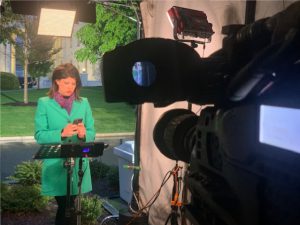
What’s life like for you right now? You’re not using a home studio like so many local news reporters.I
’m not using a home studio, but I am working more from home these days and conducting zoom interviews from time to time. Most of my day is spent at our White House tent on the North lawn. We now have to take a temperature test before passing through security. There is a medical tent set up at the press entrance where a very patient, kind team of professionals administers the checks to anyone entering the grounds.
Our wonderful White House photographer, Ron Windham, and I remain outside during the entirety of our shift, since it’s easier and safer to social distance outside. Seats in the briefing room, where we would normally sit, have been restricted. Because it’s been a cold April, we still have the heaters going, our wifi, snacks, sanitizers, face coverings—and we’re just a few steps from the camera, ready for affiliates to call for live shots!
When should affiliates look for your stories?
Depends on the week—but the correspondent during the earlier shift puts out an initial at 11:30AM for the noon shows, updated as needed. The later shift package first pushes at 3:30pm with potential updates. Then, look for the post briefing package—which can be a moving target depending on when the briefing actually starts. As you know, sometimes they run late, or run long.
Any tips for anyone who’s working from home, or outside working with a limited range?
I think staying connected to our teams, even when we’re isolated or at home, is hugely important. That may mean more phone calls or emails—but communicating regularly to make sure producers know about updated information, elements or packages is critical. One of the key challenges of covering this story remains keeping up with the hour by hour changes and updates. We are doing our best to update as regularly as needed and as quickly as possible, given some of the new logistical challenges.
I am grateful to be in regular contact with the producers of the local shows I frequently report for, so I can give them a heads up about new reaction from a lawmaker, or a localized angle that they might be interested in. I think it’s important to coordinate coverage, to make sure I’m not repeating information they’ve outboarded—but still able to deliver a localized angle if possible.
Listening to many local newscasts over IFB, I am so impressed and proud of our affiliates, delivering excellent newscasts and information during this incredibly stressful time. They are providing an amazing service for their communities, and I’m so grateful to be a small part of it. I am here to help, so if there are any affiliates or producers who need help gathering DC reaction from a lawmaker or federal agencies—please email me! Helping our affiliates find the local angles is one of my favorite parts of my job.